
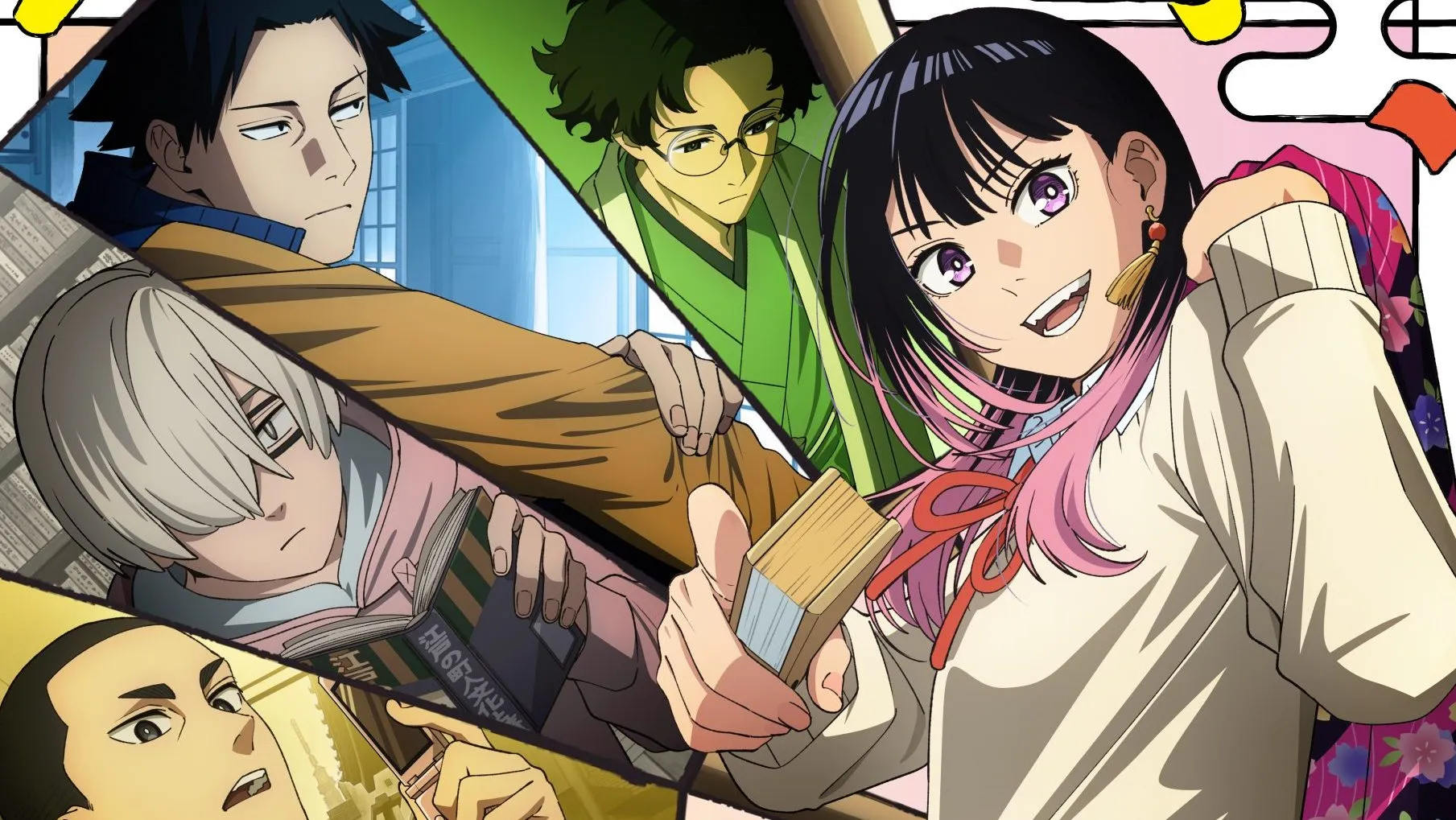
Akane-Banashi is one of those shows that immediately feels different, not because it’s loud or flashy, but because it commits fully to something most anime would treat as background detail. Rakugo is the entire foundation here, and instead of dressing it up or over-explaining it, the series just trusts you to sit with it. That confidence goes a long way in these first episodes.
The setup is simple on paper. Akane-banashi follows Akane, a girl chasing the same path her father was forced to abandon, stepping into the world of traditional storytelling performance. But the execution is anything but simple. The show treats rakugo like a living performance art that demands patience, timing, and control, and it slowly makes you realise how much of the story is being told through silence and delivery rather than plot twists or spectacle.

What stands out early is how grounded everything feels. There’s no attempt to modernise the premise into something more “anime accessible,” which is probably what makes it so effective. The performances are long, deliberate, and surprisingly engaging once you settle into the rhythm. It’s the kind of storytelling where a facial expression or a pause carries more weight than an entire monologue elsewhere.
Akane herself is a strong anchor for the series. She’s not written as a prodigy who instantly masters everything, which helps a lot. Instead, she’s stubborn, emotional, and clearly still learning how to channel what she feels into performance. That frustration becomes part of the appeal. You can see the gap between intention and execution, and the show doesn’t rush to close it.

There’s also a quiet tension running through everything involving her father’s past. The series doesn’t dump exposition or try to over-dramatise it, but you can feel how much of Akane’s motivation is tied to something unresolved. It gives the performances extra weight, because every stage moment feels like it’s sitting on top of history rather than existing in isolation.
Visually, the adaptation is more restrained than you might expect from a shonen-style manga premise. It leans heavily on framing, stillness, and performance cuts rather than constant movement. That works in its favour more often than not. When it does choose to animate expression or reaction, it hits harder because it’s been so controlled up to that point.

As a first impression, Akane-Banashi feels unusually focused. It’s not trying to win you over with scale or intensity, it’s trying to get you to care about the craft of storytelling itself. That’s a risky approach in anime, but it’s also what makes it stand out immediately. If it keeps this discipline, it could end up being one of the more distinctive shows of its kind.
